CURRENTLY ON DISPLAY AT THE MUSEUM:
(16 October 2025 – 31 November 2025)
The Notranjska Museum is currently hosting a guest exhibition from the Museum of Contemporary and Recent History of Slovenia titled Slovenika, You Are Truly Wonderful! The exhibition was first prepared in 2022 on the 50th anniversary of the opening of the first motorway section in Slovenia and the former Yugoslavia – Vrhnika–Postojna. On this occasion, the Museum of Contemporary and Recent History of Slovenia prepared an exhibition that, through photographic material and selected objects, sheds light on the story of the construction of the first motorway in Slovenia and its significance for the economic and social development of the country.
On display are more than 40 photographs from the rich collection of the Phototheque of the Museum of Contemporary and Recent History of Slovenia, taken by, among others, Marjan Ciglič, Nace Bizilj, Edi Šelhaus, Jože Žnidaršič, Ivan Kramžar, Vladimir Čuk, Svetozar Busić, Rudi Paškulin, and Leon Jere. They are complemented by several images from the archive of the Motorway Company of the Republic of Slovenia. The photographic material is accompanied by items from the time of the construction – uniforms of the first toll station workers, a suitcase and a pouch for carrying money – as well as testimonies of participants.
On the occasion of hosting the exhibition, the Notranjska Museum Postojna has also prepared a small addition to the display.
PAST TEMPORARY EXHIBITIONS:
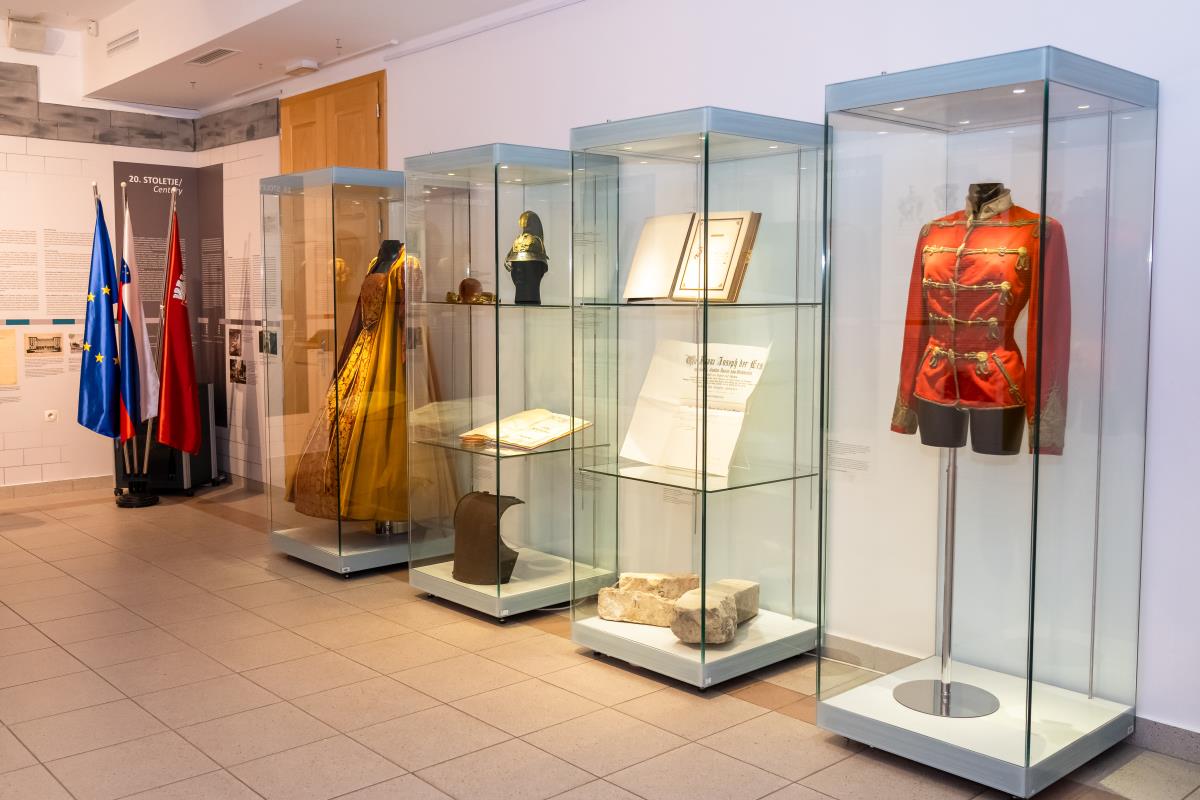
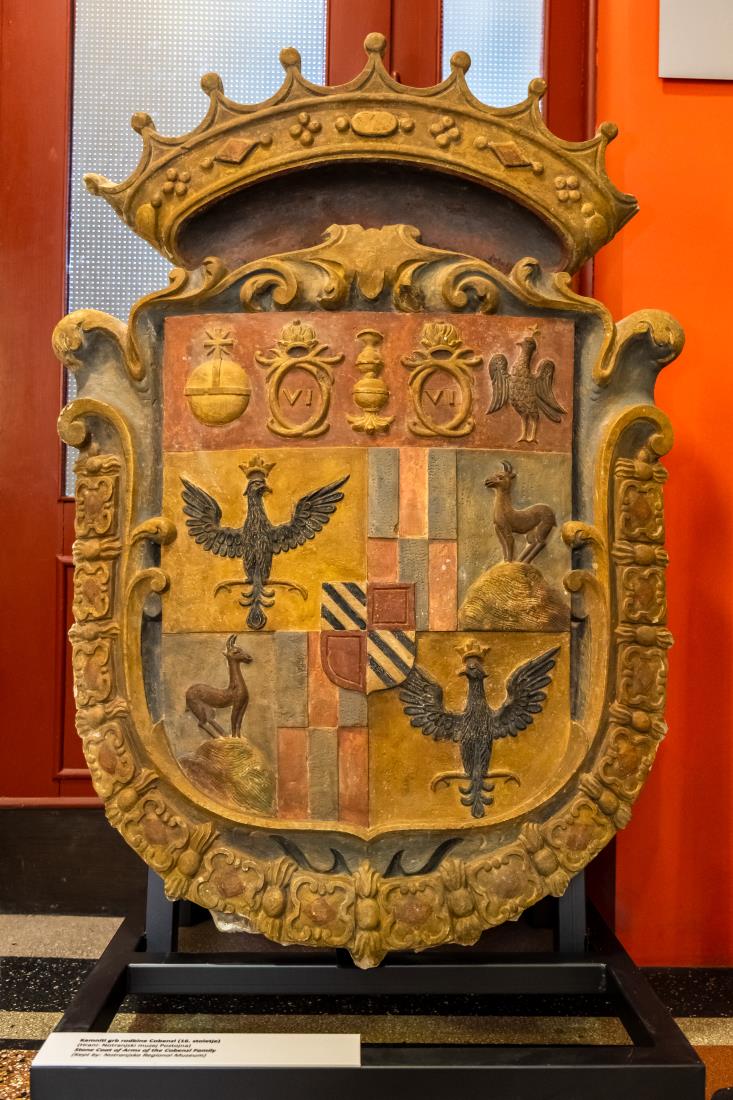
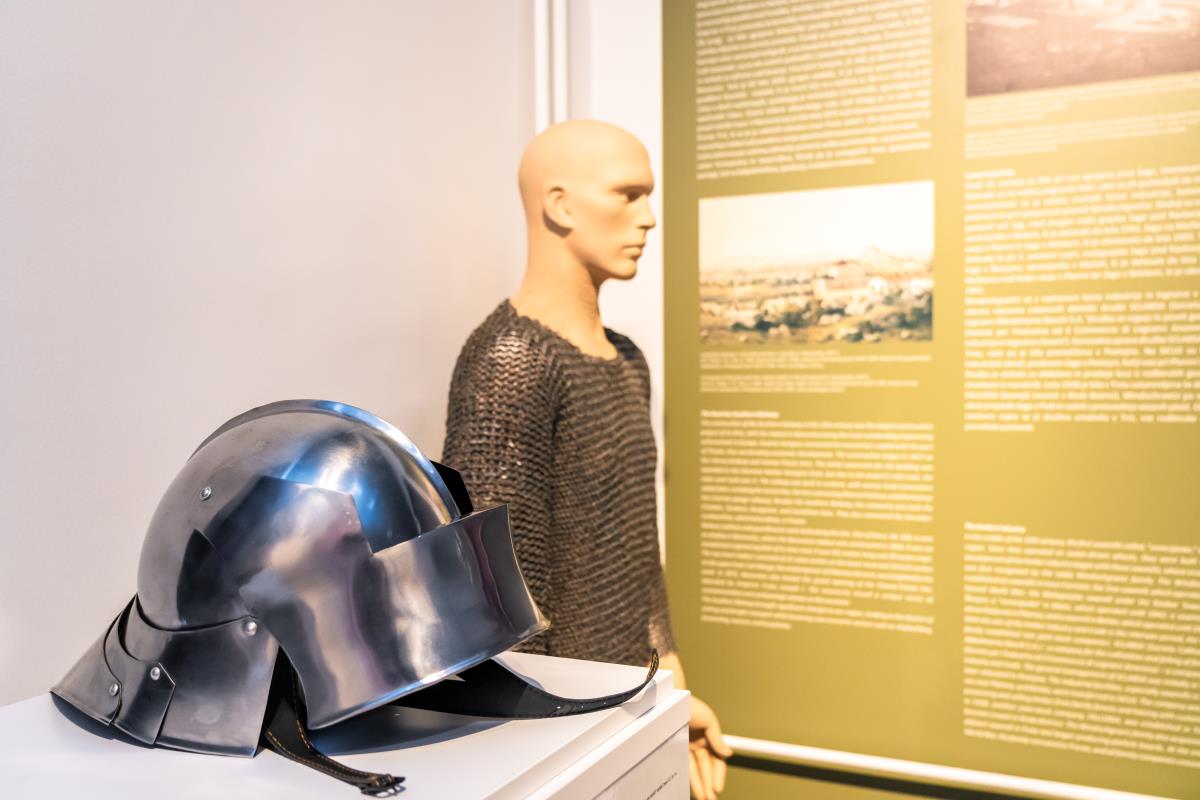
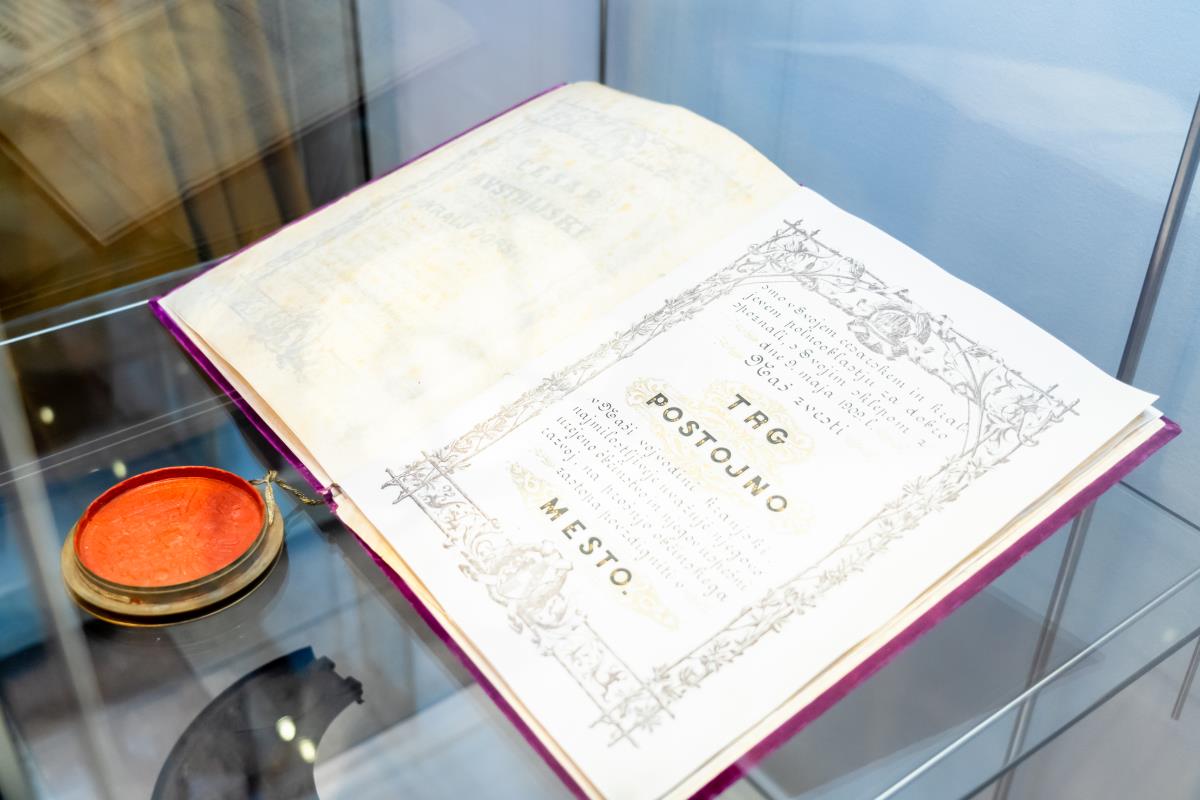
The exhibition's central theme is a timeline that explores events in the Postojna area from the 12th century, when Postojna was first mentioned in the manuscripts of Aquileia, to the end of World War II, marked by the definitive decline of the nobility. Alongside the depiction of events in Postojna, which are complemented by global occurrences to provide visitors with a better understanding, the exhibition also showcases eighteen noble families. Additionally, several intriguing items from various historical periods are on display, such as part of a ceremonial Hungarian uniform worn by Austro-Hungarian major generals, a replica of a Renaissance dress, and a charter by which Emperor Franz Joseph elevated Postojna to the status of a town in 1909.
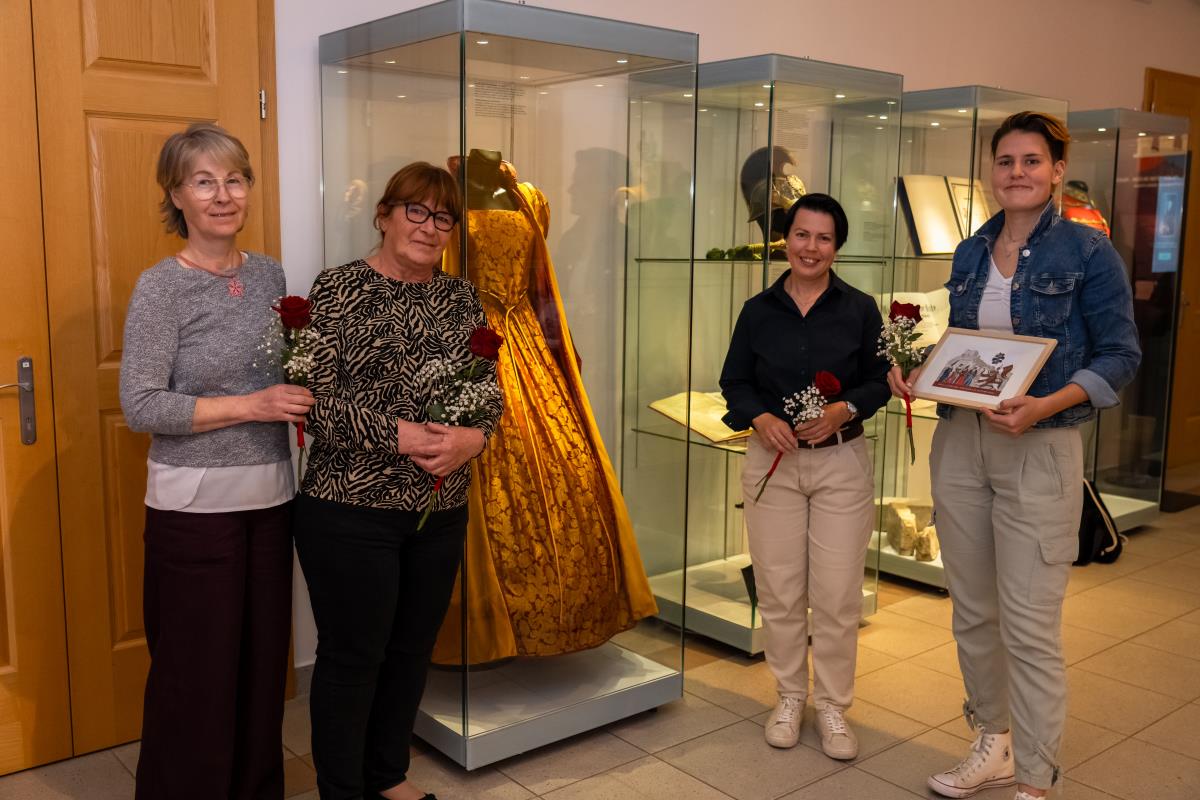
Our exhibition, while not extensive or part of the permanent collection, is a testament to our innovative and fresh approach to museology and community engagement. It was curated by participants of the andragogical programme titled 'Museum for Rookies,' a unique opportunity for community members to actively contribute to the museum's work. This initiative, unprecedented in Slovenia, not only enriches our exhibition but also fosters a sense of inclusivity and shared ownership among our visitors.
The distinctive feature of the Museum for Rookies program is that amateurs, or "non-curators," individuals with no practical exhibition experience, were invited to participate in the museum's work—preparing and setting up the exhibition. We asked all interested "beginners" to engage in museum processes typically inaccessible to the general public. This opportunity allows them to gain a more concrete understanding of curatorial work, discover the behind-the-scenes aspects of the museum, and thereby identify with the museum's mission through their own experience.
Four participants took part in the program, choosing the exhibition's theme themselves, and, under the guidance of curator mentor Ana Čič, undertook the research. Their work involved searching for sources and literature and preparing texts, with the mentor providing direction. The broadest community involvement in the museum's work was also reflected in the decision to let visitors choose the exhibition's title. Based on surveys published on the museum's social media, the selected title is Stone on stone - Palace!
The exhibition is an excellent example of collaboration among people with a shared interest in history and culture, who have contributed to disseminating knowledge and understanding of museology to the best of their abilities. At the same time, it serves as a practical example of adhering to the new definition of a museum, adopted by the International Council of Museums in 2022: "... Museums are open to the public, accessible and inclusive, and promote diversity and sustainable development. They operate and communicate ethically, professionally, and in collaboration with communities, providing diverse experiences for education, enjoyment, reflection, and knowledge sharing."